




As nutrition professionals, we get a wide range of questions thrown at us. The big question from professionals, Division I collegiate athletes, and all the way to weekend warriors training for their first 10k is: What and when do I need to eat to perform at my best?
It’s a loaded one, but we’re here to simplify it for you.
Nutrition timing relates to the planning and consumption of foods at certain times surrounding exercise. Timing your eating can improve your performance, increase recovery time, and help repair tissues in the body!
The “What”
What to eat and when to eat highly depends on the individual and the workout being performed, but there are a few basic rules to follow and key macros to focus on.
Carbohydrates
- Carbs are our body’s fuel! They are necessary for energy and performance. Energy stores within the body are at their highest with a high-carbohydrate diet.
- It is recommended that you take in 5-7 grams of carbohydrates per kilogram of body weight per day (5-7g/kg/day) on average, and up to 8-12g/kg/day for those exercising multiple hours a day.
To calculate your body weight in kilograms simply divide your weight in pounds by 2.2
Protein
- Protein is what helps our muscles recover from tough exercise. It is a needed ingredient to be able to better perform in following workouts/races.
- Protein intake recommendations vary greatly depending on your discipline and goals, ranging from about 0.8-2g/kg body weight/day.
(Ex: 0.8g/kg for less intense workouts such as walking or a short gym session
2g/kg for athletes training for >3 hours once or twice a day)

Hydration
- Stay hydrated! Dehydration from sweat loss and not drinking enough can be a huge disadvantage to your performance.
- 1 gulp of a beverage equates to ~30 ml / 1 oz!
- Before exercise: consume 470–710 ml / 16-24oz of water within 2 hours of workout
- During: 180–350 ml / 6-12oz every 15-30 minutes.
- After exercise: Every pound lost should be replaced with 470–710 ml / 16-24oz of water

The “When”
There are 3 key times to eat when it comes to performance: pre-exercise, during exercise, and post-exercise. Though a few suggestions overlap, there are some differences you should be making in your fuelling...
Pre-Workout Fuelling
Carbs. Carbs. Carbs.
Before a triathlon, cycling class, marathon, or whatever you’re pushing your body to do, carbohydrates are going to be your GO TO! Consuming a high-carb meal has shown to increase energy stores in the muscles and liver, while also increasing rates of effectively using energy in the muscles. To avoid an upset stomach and other issues, the time of your pre-workout meal will change the recommendations on what to consume.
- 4 or more hours before high-intensity exercise: meal high in carbohydrates, moderate in lean protein, plenty of fluids.
Ex: Pasta with meat sauce, grilled chicken with rice and vegetables, high protein, milkshake, deli sandwich, trail mix
- 2-3 hours before: meal high in carbohydrates, may include some protein, plenty of fluids.
Ex: bagel with peanut butter, Greek yogurt with granola, fresh fruit
- <1 hour before: Simple carbohydrates, something you like and know will provide your body energy!
Ex: sports drink, toast, crackers, fruit, granola bar
Intra-Workout Fuelling (During)
For workouts lasting over 1 hour, or workouts at a very high intensity, it is important to fuel your body to have adequate energy and ensure a proper recovery when you’re done.

Carbs:
- Providing carbohydrates at regular intervals can optimise performance and help maintain blood sugar levels
- 30 to 60g of carbohydrates should be consumed every hour. Most do this with bars, gels, and electrolyte solutions
- Fuel with carbs at a rate of every 10-15 minutes
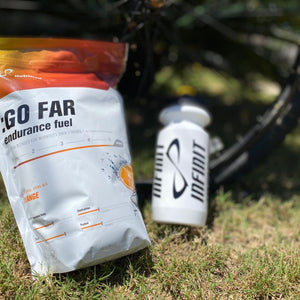
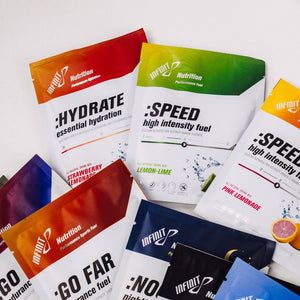
- INFINIT Custom Hydration Blend is an all-in-one solution: so you can ditch the bars, gels, and salts!
Protein:
- For intense exercise >3 hours, adding protein may help ward off hunger and give the feeling of fullness.
- ~2-4 grams per hour will provide satiety and may improve muscle signaling and recovery.
- For exercise <3 hours, protein is not recommended intra-workout as it may cause GI distress (stomach aches, cramping, etc.)
Fluids:
- 120–240 ml / 4-8oz of water during exercise every 10-20 minutes
- Electrolyte solutions, or sports drinks, should contain carbohydrates and sodium to replace sweat loss.
- These electrolyte solutions should be supplemented with plain water to avoid GI distress
- Start drinking early in your workout: thirst means you’re already dehydrated!
- Avoid carbonated drinks, “energy” drinks, and highly caffeinated drinks. These may cause GI distress during your exercise.
Post-Workout Fuelling

Fuelling properly after your workout is the most important aspect of recovery and being able to crush your next workout!
- Immediately after exercise to 30 minutes post: Sodium containing fluids to rapidly rehydrate and a snack of simple carbs if tolerable
- 30 minutes to 2 hours post-exercise: meal containing high carbohydrate, high-quality protein, and more fluids
- 2-6 hours after exercise: continue to consume high carbohydrate meals with moderate protein, fruits and veggies, and healthy fats to keep you full and satisfied.
- Before bed: studies show consuming protein (20-40g) prior to sleep can increase protein synthesis and metabolic rate throughout the night, aka, helping your muscles recover and be prepared for your next exercise bout!
Examples of quality lean protein include poultry, fish, lean beef, beans, peas, and dairy
Overall, intake is going to depend on each individual and their needs to perform, but something we do know.... fuelling is IMPORTANT!
Messages to take home:
- Carb intake should be around 5-7g/kg/day, and higher at 8-12g/kg/day for ultra-endurance athletes
- 20 to 30g protein pre and post-workout is effective for muscle recovery
- Hydration is key for function and recovery. Make sure to account for what you lost!
- Never try anything new on race day: practice during training and learn what your body likes best!
More stories

Bakit Hindi Dapat Iwasan ang Carbohydrates
